Why the Sunshine State is a "Battery Killer" (And How to Protect Your Ride)
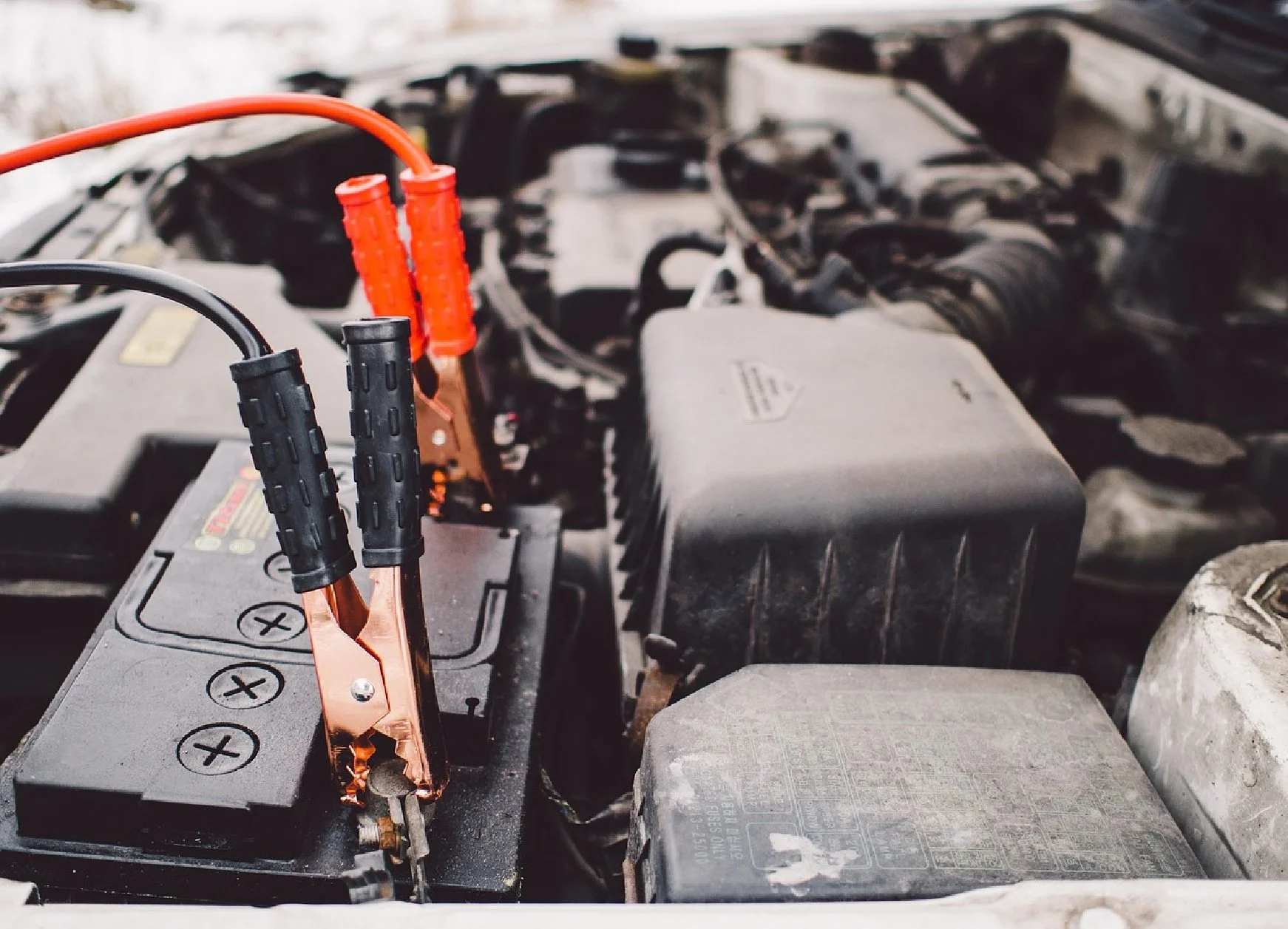
When we think of car battery trouble, we usually picture a snowy morning in the north. But here in Oviedo, we know the truth: Florida heat is actually much harder on your battery than the cold.
At Auto Mech & Muffler, we see more batteries fail during our scorching summer months (and the humid "second summer" of autumn) than at any other time of year. If you’ve ever wondered why your battery seems to give up the ghost after only three years, you can blame the Florida sun.
Here is the science behind why our weather is so tough on your vehicle—and what you can do about it.
1. The "Boil Off" Effect (Evaporation)
Most car batteries are lead-acid batteries, which rely on a liquid electrolyte solution to store and move power. When temperatures under your hood soar past 140°F (which happens easily on a 95°F day in Central Florida), that liquid begins to evaporate. Once those fluid levels drop, the internal structure of the battery is exposed to air, causing permanent damage and a loss of "cranking power."
2. Accelerated Corrosion
Heat acts as a catalyst for chemical reactions. In the Florida humidity, corrosion around your battery terminals and internal plates happens at lightning speed. This "crusty" buildup acts like a barrier, preventing your alternator from fully recharging the battery while you drive and making it harder for the battery to send power to your starter.
3. The 3-Year Milestone
In cooler climates, a quality car battery can easily last 5 or 6 years. In Florida, the average lifespan drops significantly—usually to just 3 to 4 years. If your battery has been through three Florida summers, it is officially on "borrowed time."
Pro-Tips: How to Beat the Heat
You can’t change the weather, but you can change how you care for your car. Here are a few ways to extend the life of your battery:
Park in the Shade: Whenever possible, use a garage or find a shady spot at the grocery store. Keeping the direct sun off your hood can significantly lower the peak temperatures your battery has to endure.
Keep it Clean: If you see white or blue "fuzz" on your battery terminals, it’s time for a cleaning. A clean connection ensures your battery is getting the charge it needs.
The "Long Way" Home: Frequent short trips (under 10 minutes) don’t give your alternator enough time to replace the energy used to start the car. Taking the scenic route once in a while helps keep your battery fully topped off.
Get a Health Check: Most batteries don’t give a warning before they die—they just click. A professional voltage test can tell you exactly how much "life" is left before you end up stranded.
Is your battery ready for the next road trip?
At Auto Mech & Muffler, we’ve been keeping Oviedo families on the road for decades. We don’t want your next "story" to be about a dead battery in a hot parking lot!
Stop by our shop at 1301 W Broadway Street. We’ll perform a quick diagnostic check on your battery and charging system to make sure your car is ready for whatever the Florida weather throws at it.
Give us a call at (407) 366-2887 to schedule your appointment.